
Touchpoints on Matthew

God Moons Moses
Exodus 33:12-23 NRSVUE Moses said to the Lord, “See, you have said to me, ‘Bring up this people’; but you have not let me know whom you will send with me. Yet you have said, ‘I know you by name, and you have also found favor in my sight.’ Now if I have found favor in your sight, show me your ways, so that I may know you and find favor in your sight. Consider too that this nation is…
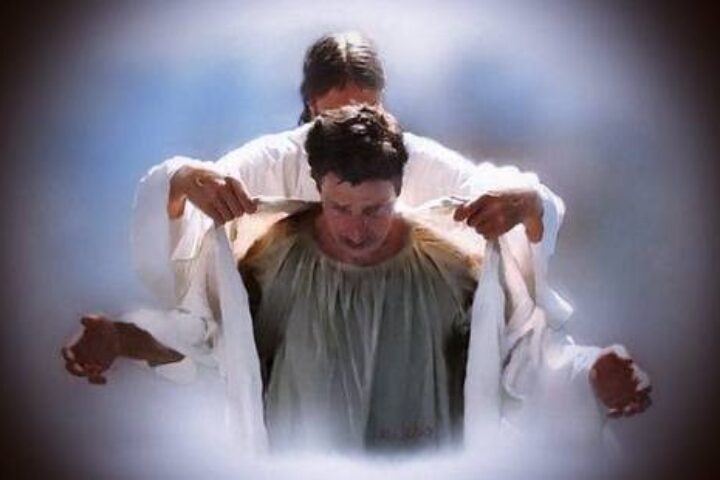
Threads Of Grace
The kingdom of heaven is right at our fingertips.

Raise The Shades
In Matthew 21:33–46, Jesus challenges our ideas about authority, ownership, and the responsibility that comes with being entrusted with God’s gifts.

Authorized Personnel Only
In Matthew 21:23–32, Jesus challenges the religious authorities who question where his authority comes from. He responds with the parable of two sons: one says no but eventually goes, while the other says yes but does not. Jesus exposes the difference between outward words and inward transformation, reminding us that what we ultimately do matters more than what we say.
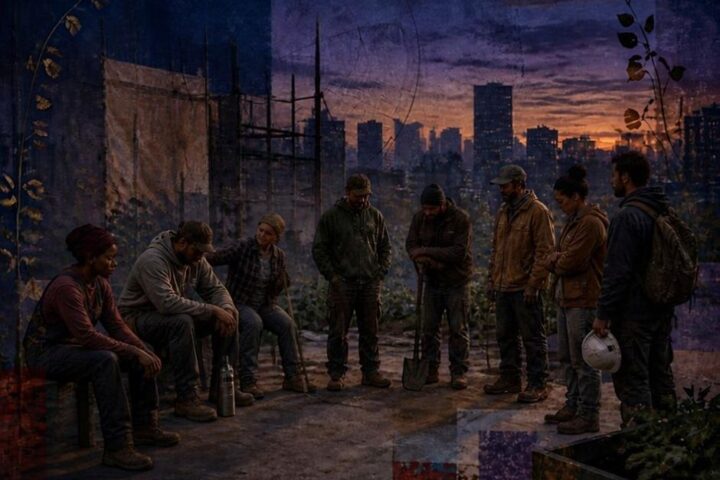
Thou Shall Not Take Cuts
A reflection on Matthew 20:1–16, where Jesus challenges our ideas about fairness, entitlement, and God’s extravagant generosity.

The Fruit of Forgivness
Jesus challenges Peter’s understanding of forgiveness by revealing that mercy received is meant to become mercy given. The Parable of the Unforgiving Servant invites us into a life shaped by radical grace, where forgiveness is not a transaction but a way of living.

Bound No More
Jesus gives his followers a process for addressing conflict within the community: begin privately, involve others when necessary, and bring the matter before the wider community if reconciliation cannot be achieved. The passage connects this practice with the power of binding and loosing, prayer, and Jesus’ promise to be present wherever two or three gather in his name.

Damn Serious
“It causes me to ask myself, have I not evolved from euphoria and intellectual devotion? Have I become spiritually self-indulgent and neglected those God shows preference for in suffering? I can tell you that as a preacher, my words have not neglected them. My actions are what I would prefer to think about.”
It’s Absurd
“To paraphrase De Mello, it only takes a willingness to see things in a new way. This is what I like to tell my clients in AA. ‘You’re right, it’s not about willpower. Willpower doesn’t work. It’s our willingness and God’s power. If you are faced with repercussions for seeing things in a new way, you also may be invited into the ineffable presence and co-laboring nature of God, who is not anything like the master in this story.'”

Present to the Finish
“In our spiritual life, to be present is the goal, not Bible reading. Contemplative practices are not the Mystery, they are the means to be present to the Mystery.”

Random Acts of Narcissism
“I have encountered many in recovery who believe their addiction prevents them from intimacy with God. They say their goal is to get closer to God again. My answer to sinners is the same as to addicts, as they are both the same: “You can’t get any closer to God then you are. To be separate is an illusion.” Our practices of awareness open us to experience what always was and is. God is always inviting us to the experience of holy mingling. What better earthly seat is there, what title, what place in line? We are seated in heavenly places!”

The G.O.A.T.
“All the laws hang on these two commandments and those commandments defer to the real, genuine greatest of all time. I don’t know about you, but I’m getting goat bumps! What if all our efforts to legislate law in our personal lives and communal lives needed to be filtered by these two commandments? What would be different?”
- 1
- 2